
The process of drying biosolids, compared to just removing water (dewatering), can reduce the amount of waste that needs to be disposed of by 80–90%. It also creates a stable product that’s easier to handle, can be reused, such as fertiliser, or used in advanced thermal processes like pyrolysis or gasification. These processes can generate the heat needed for drying and produce biochar — a valuable byproduct.
Drying and thermal treatment can be added to existing anaerobic digestion systems or used on their own as a more sustainable way to treat biosolids, with added benefits like reducing volume and destroying contaminants.
New Plymouth Thermal Dryer
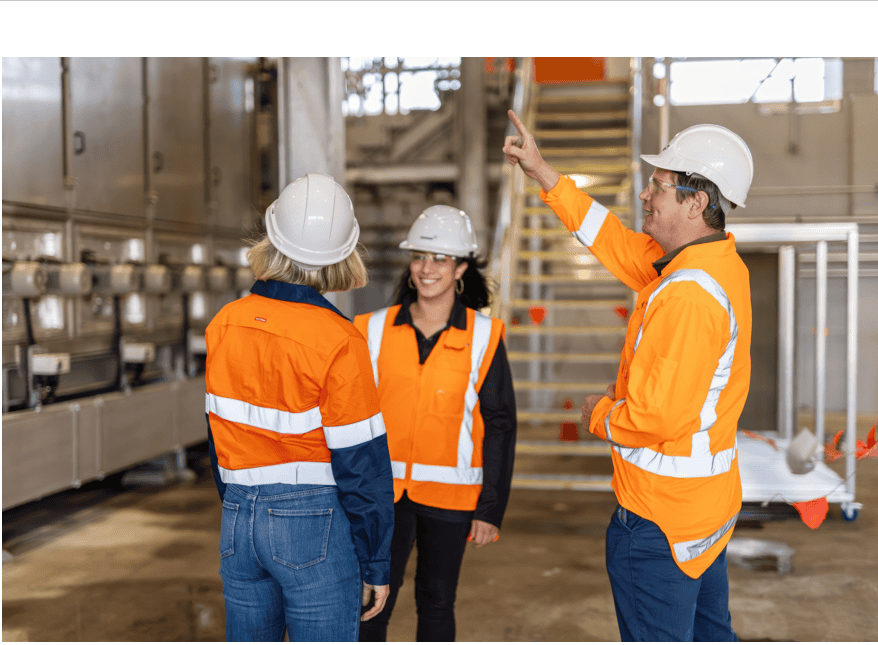
Downer partnered with the New Plymouth District Council to futureproof wastewater services for locals, introducing New Zealand’s first thermal dryer facility to run off a blend of hydrogen and gas. This facility will replace the current wastewater treatment plant in New Plymouth and uses advanced technology to dry sludge and turn it into fertiliser that can be used for land rehabilitation, helping us close the loop on waste.
Downer has also been awarded a contract to design and build a wastewater treatment plant replacement sludge dryer in Wellington.

